
Needlestick Injury: What to Do Next in Las Vegas
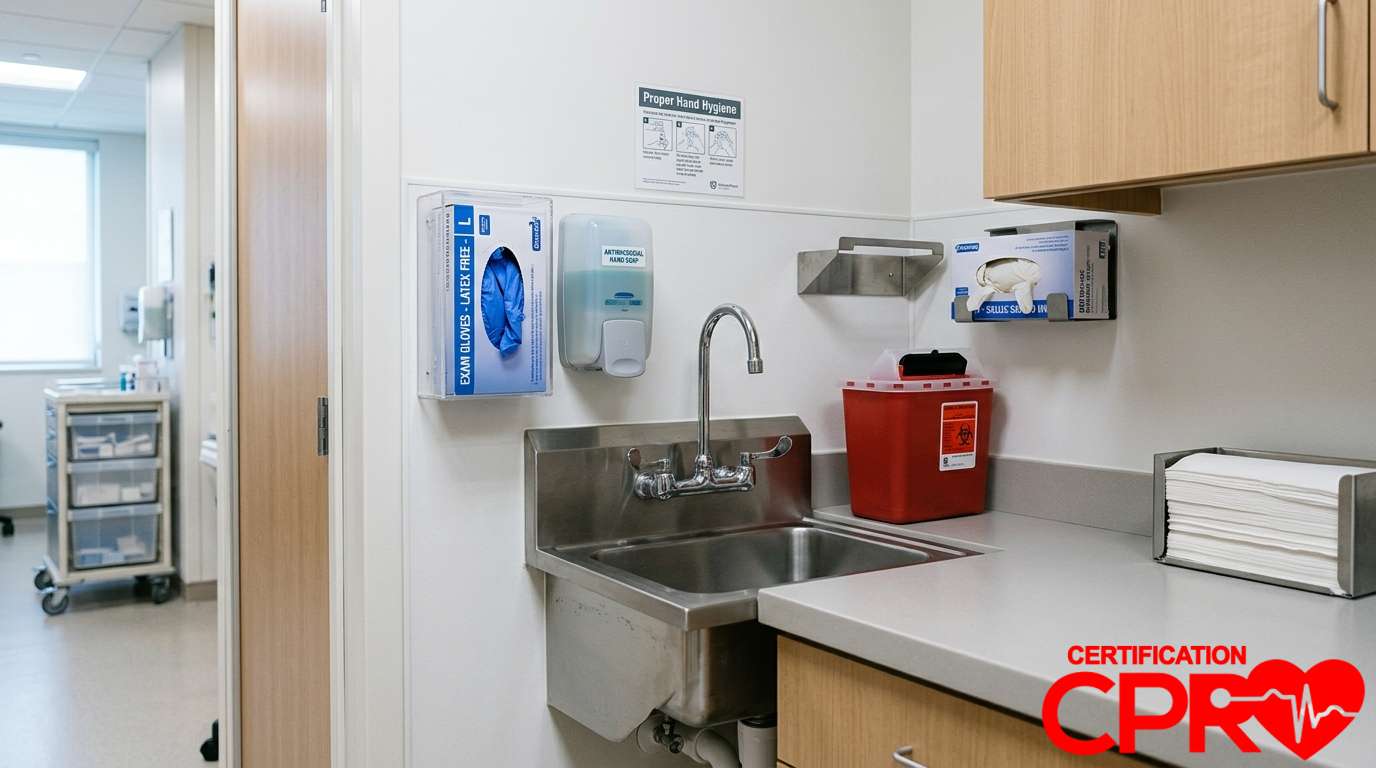
The seconds right after a needlestick injury are the ones that determine how the rest of it goes. Not the days of follow-up testing, and not the post-exposure counseling. The first two minutes. Whether the wound was washed thoroughly, whether the incident was reported right away, whether the worker reached occupational health before the medication window closed. How fast a clinician moves in those moments is the variable that matters most, which is why knowing exactly what to do before the incident happens is so different from figuring it out afterward, in the middle of a busy shift on a Sunrise Hospital med-surg floor or in a UMC trauma bay.
Needlestick injuries are among the most common occupational exposures in healthcare. Despite advances in safety-engineered devices and training, tens of thousands of percutaneous injuries are reported in U.S. healthcare settings each year, and the actual incidence runs higher because most of these injuries go unreported. The reasons for underreporting are predictable: the worker assumes the source patient is low risk, the documentation feels burdensome, the shift is too busy to step away. The cost of underreporting is also predictable. The post-exposure prophylaxis window closes whether or not the incident is logged.
The steps that follow are not advisory. They are a protocol with a time component, and the speed of each step shapes the clinical outcome for the worker.
What Counts as a Needlestick Injury
A needlestick injury is any puncture of the skin by a needle or sharp object that has been in contact with blood or other potentially infectious materials. The category includes hollow-bore needles used in IV placement and blood draws, suture needles, lancets, scalpels, and any contaminated sharp instrument. Skin does not need to bleed significantly for the exposure to count. Even a superficial puncture that barely breaks the skin is an exposure event that should be evaluated.
Upcoming CPR Class Dates and Times
Sharps injuries are not limited to needles. A scalpel blade, a broken specimen tube, a bone fragment during surgery, any contaminated sharp that penetrates the skin is a sharps injury under the same protocol. Splashes of blood or body fluid to mucous membranes (eyes, nose, mouth) follow the same reporting and evaluation pathway, though the first-aid steps differ slightly.
Do not minimize an exposure because the source patient seems healthy or because the puncture was shallow. The risk assessment is not the worker’s call to make on the spot. That assessment belongs to occupational health, where staff gather the relevant information about both the source patient and the injured worker to determine what follow-up is needed.
What to Do Right Away
Wash the wound immediately with soap and water. Not a quick rinse. A thorough wash with running water and soap for at least several minutes. If the exposure involved mucous membranes rather than a puncture, flush the area with water or saline. Eyes should be flushed with clean water, saline, or a dedicated eye-wash station if one is available.
Do not squeeze the wound to make it bleed more. There is a persistent belief that expressing blood after a needlestick reduces transmission risk by expelling the inoculated material. The evidence does not support that, and the squeezing may increase tissue damage and local inflammation without measurable benefit. Wash, flush, and move to the next step.
Do not apply bleach, antiseptics, or caustic agents directly to a needlestick wound. Plain soap and water is the recommended immediate treatment. Once the wound is washed, the priority shifts to reporting and evaluation, not to continued wound management at the scene.
Why Fast Reporting Matters
The 72-hour window for HIV post-exposure prophylaxis is the number that makes speed non-negotiable. PEP is a course of antiretroviral medication that, when started within 72 hours of a potential HIV exposure, significantly reduces the chance of infection. After 72 hours, it is no longer considered effective. Effectiveness begins to drop well before the deadline. A needlestick at 10 p.m. on a Sunday cannot wait until Monday morning. An exposure during a holiday weekend still requires evaluation that day.
Reporting also matters for hepatitis B. Post-exposure prophylaxis for hepatitis B (hepatitis B immune globulin, plus vaccination if the worker is unvaccinated) is most effective when administered within 24 hours. Waiting until the next business day because the incident happened at an inconvenient hour is how preventable infections occur.
Reporting starts a documentation chain that protects the worker as well as the institution. An occupational exposure documented immediately becomes part of the worker’s medical record and creates a clear timeline for follow-up testing. An exposure that goes unreported and only surfaces weeks later, when symptoms prompt concern, leaves the testing timeline ambiguous, the source patient potentially unavailable for testing, and the question of whether infection occurred occupationally or otherwise harder to answer.
What Medical Follow-Up May Involve
The initial occupational-health evaluation after a needlestick will typically involve gathering information about the incident: which body part, estimated depth and volume of exposure, source patient information. Blood is drawn from the injured worker for baseline status on hepatitis B, hepatitis C, and HIV. If the source patient consents to or is required to undergo testing, those results inform the PEP decision for HIV. Across the Vegas valley, major hospital systems run 24/7 employee-health pathways for exactly this scenario, and smaller clinics typically route to a contracted occupational-health provider or to the nearest ED for after-hours coverage.
If post-exposure prophylaxis is indicated, the worker is prescribed a 28-day course of antiretroviral medication. Most clinicians tolerate the regimen well, though side effects like nausea are common during the first week. Completing the full course matters. Stopping early does not provide the same level of protection as the full regimen.
Follow-up testing continues after the initial evaluation. Standard schedules include testing at six weeks, three months, and six months post-exposure for HIV and hepatitis C. Those appointments should not be skipped even if everything seems fine. An early negative test does not mean the exposure resulted in no infection. The schedule accounts for the window periods of each pathogen, and some infections do not show up on tests until weeks after the exposure occurred.
How Needlestick Injuries Are Prevented
Engineering controls are the first line of prevention. OSHA requires employers covered by the bloodborne pathogens standard to evaluate and implement safety-engineered sharps devices. Safety-engineered needles with retractable or sheathing mechanisms reduce needlestick rates significantly compared with conventional needles. Proper sharps disposal, which means dropping used needles directly into a puncture-resistant sharps container without recapping, eliminates the recapping-related injuries that account for a meaningful share of occupational exposures.
Upcoming CPR Class Dates and Times
Work-practice controls reduce risk at the task level. Passing sharps in a neutral zone rather than hand-to-hand. Never recapping a needle two-handed. Keeping sharps containers within reach of the point of use so needles travel the shortest possible distance after use. The habits reduce both the frequency and the severity of sharps exposures when practiced consistently.
Training is the layer that ties the other controls together. A worker who understands the transmission risk, the post-exposure protocol, and the importance of immediate reporting is more likely to follow safe practices consistently and to respond effectively when an injury does occur. Our onsite bloodborne pathogens training covers all of these components in a format that works for clinical teams across the Vegas valley and for non-clinical staff in roles where exposure is reasonably anticipated.